Q35 - Ninespine Stickleback - Sexual Dimorphism and Sneaker Males
Sexual dimorphism is characteristic of the Ninespine stickleback Pungitius pungitius. Males, in contrast to females, acquire a dark color during the breeding season, build nests, and aggressively exclude other dark-colored males. They invite females to lay eggs in the nest, which the male then fertilizes. However, some mature males don’t differ much in color from females and are tolerated in the same schools by dark-colored males.
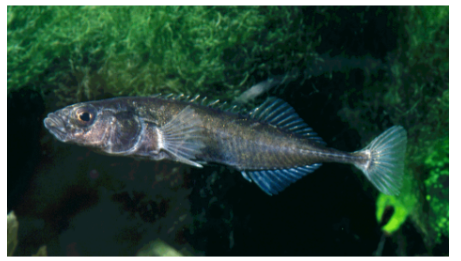 Figure 1. Dark colored male of Ninespine stickleback.
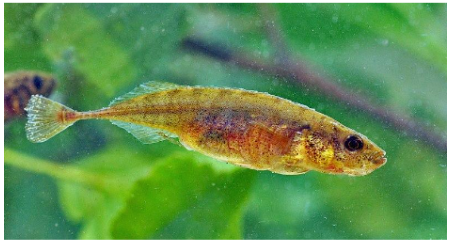 Figure 2. Ninespine stickleback female. Some adult males also have this coloration.
Using the information and images, determine whether the following statements are true or false:
Question reproduced from IBO 2022, Theoretical Paper 1, licensed under CC BY-NC-SA 4.0 - attributed to the International Biology Olympiad. Open the full exam PDF · Community solutions (unofficial)