Q1 - Desert Bat Adaptations
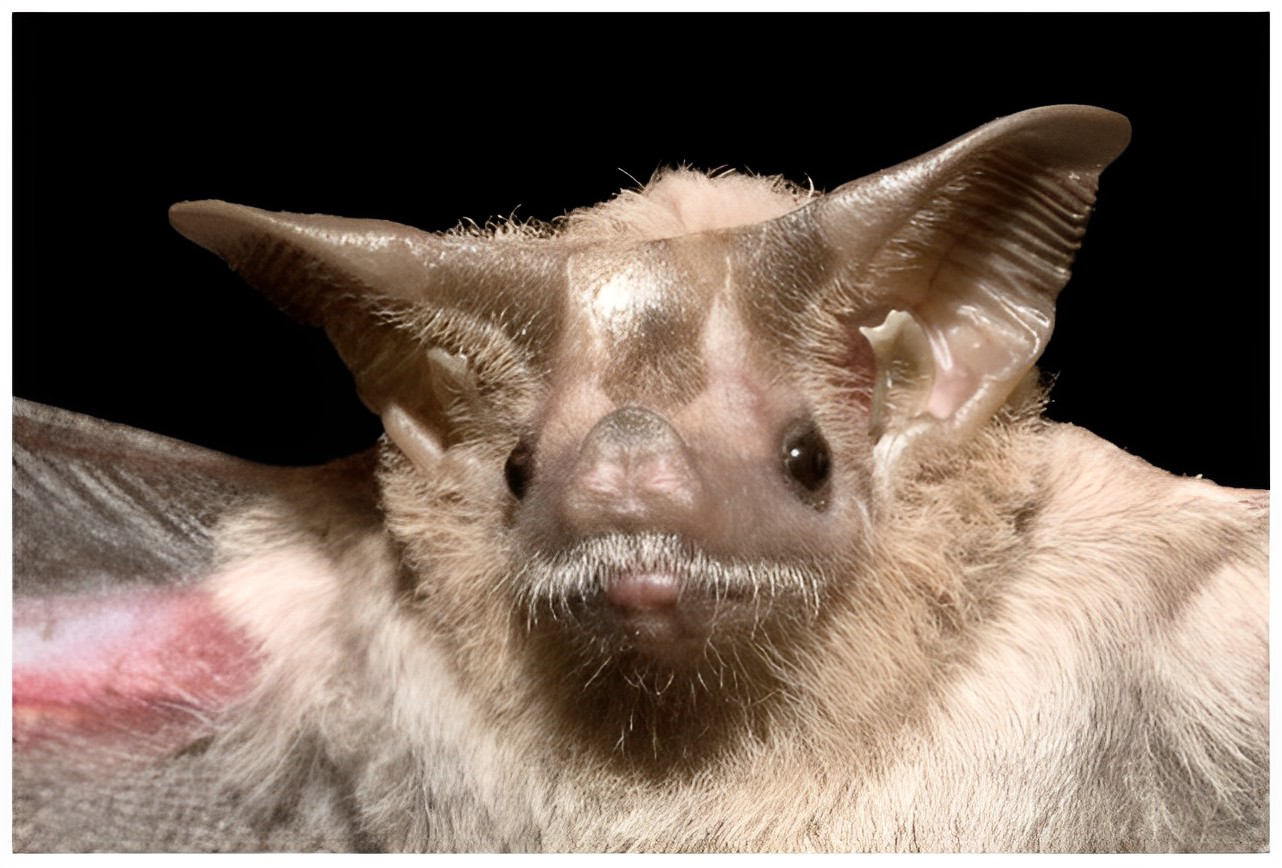
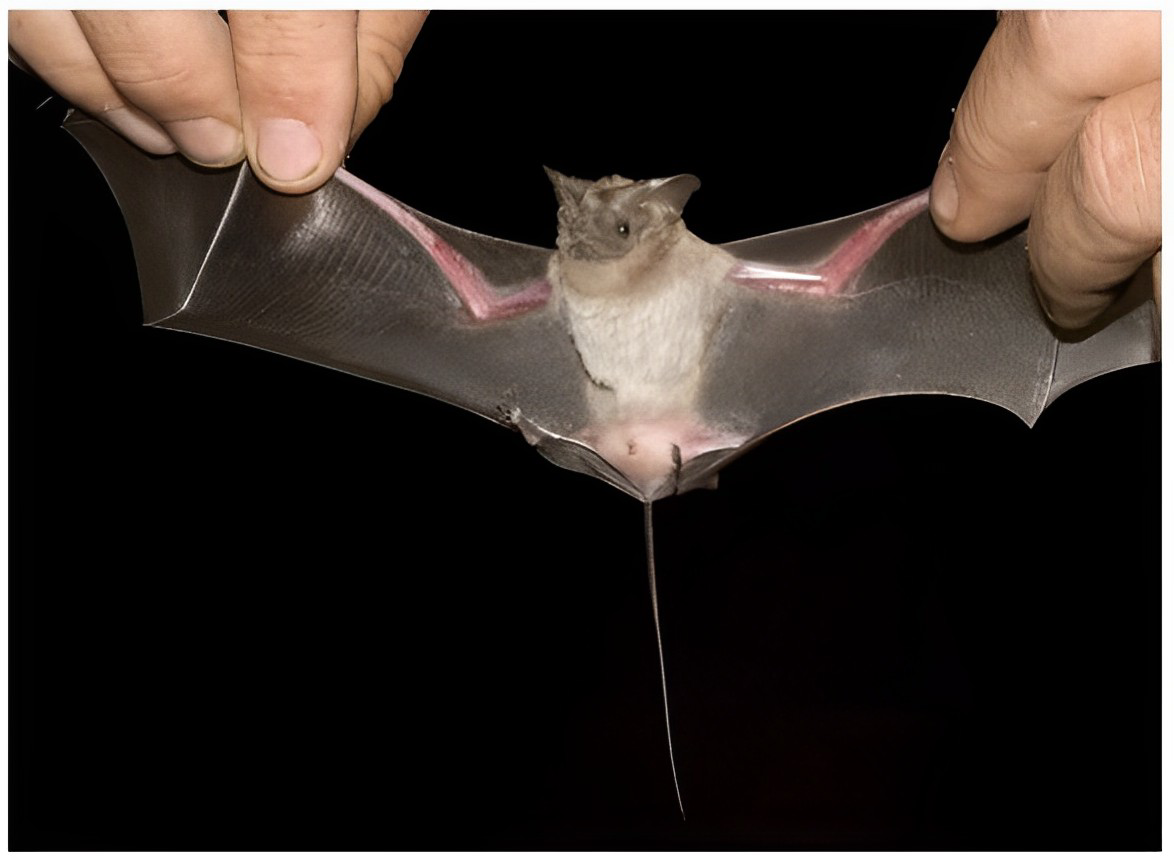
Some bat species are well adapted to the Arabian desert. The pictures show adaptations of a bat of the genus Rhinopoma (Mouse-tailed Bat).
True or false?
Q1.1. The closable nostrils, and the fringe of hairs around the mouth, limit the penetration of dust and sand into the bat's nose and mouth.
Q1.2. The long tail is an adaptation for crawling, gripping and balancing in areas with dense stands of trees and shrubs.
Q1.3. Having relatively sparse hair and large areas of loose skin facilitates thermoregulation in hot desert conditions.
Q1.4. Active flight, as a low-energy mode of locomotion, helps bats conserve energy in desert conditions with poor food sources.
Q1.5. The ability to fly allows bats to efficiently cover considerable distances between suitable roosts and unevenly distributed food sources in the desert.
Question reproduced from IBO 2023, Theoretical Paper 2, licensed under CC BY-NC-SA 4.0 - attributed to the International Biology Olympiad. Open the full exam PDF