Q83 - Frequency-Dependent Predation and the Maintenance of Moth Wing-Pattern Polymorphism
Three morphs of a polymorphic species of Catocala moths differ only in the patterns on the forewings. Six experienced blue jays (Cyanocitta cristata) searched for prey on a computer screen in a series of trials.
Each trial involved a screen showing the presence or absence of a moth from three distinct morphs of a moth population. If the bird found the moth, it was rewarded with food. Each bird had 36 prey and 84 no-prey trials and lasted for 50 days. Three replicates were carried out, with the second having a larger population of morph 2 and third replicate starting off with a larger relative abundance of morph 3.
A, Population numbers of the three morphs over the generations of each replicate. B, Prey detectability of the three morphs.
Indicate in the answer sheet if each of the following statements is true or false.
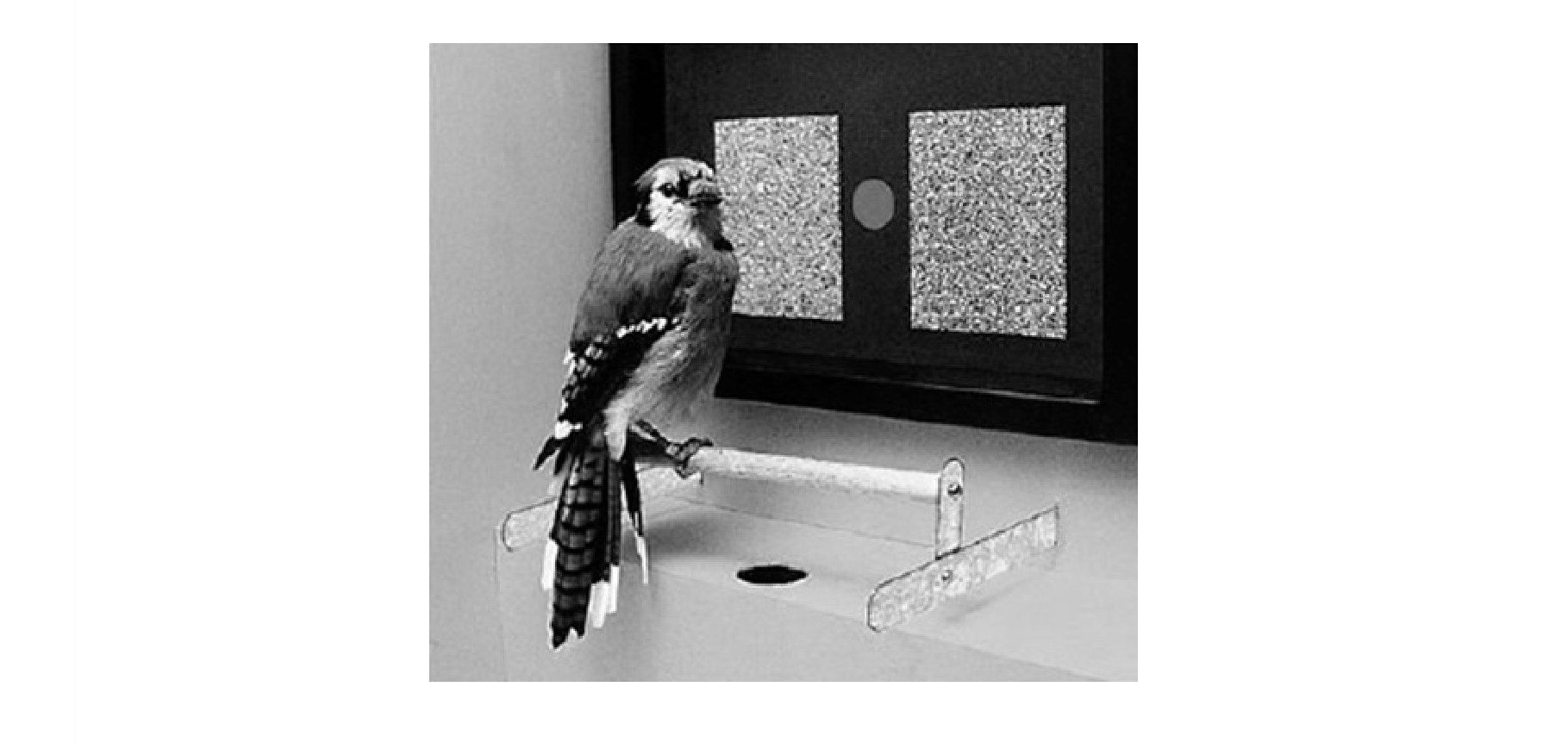 Figure 1.
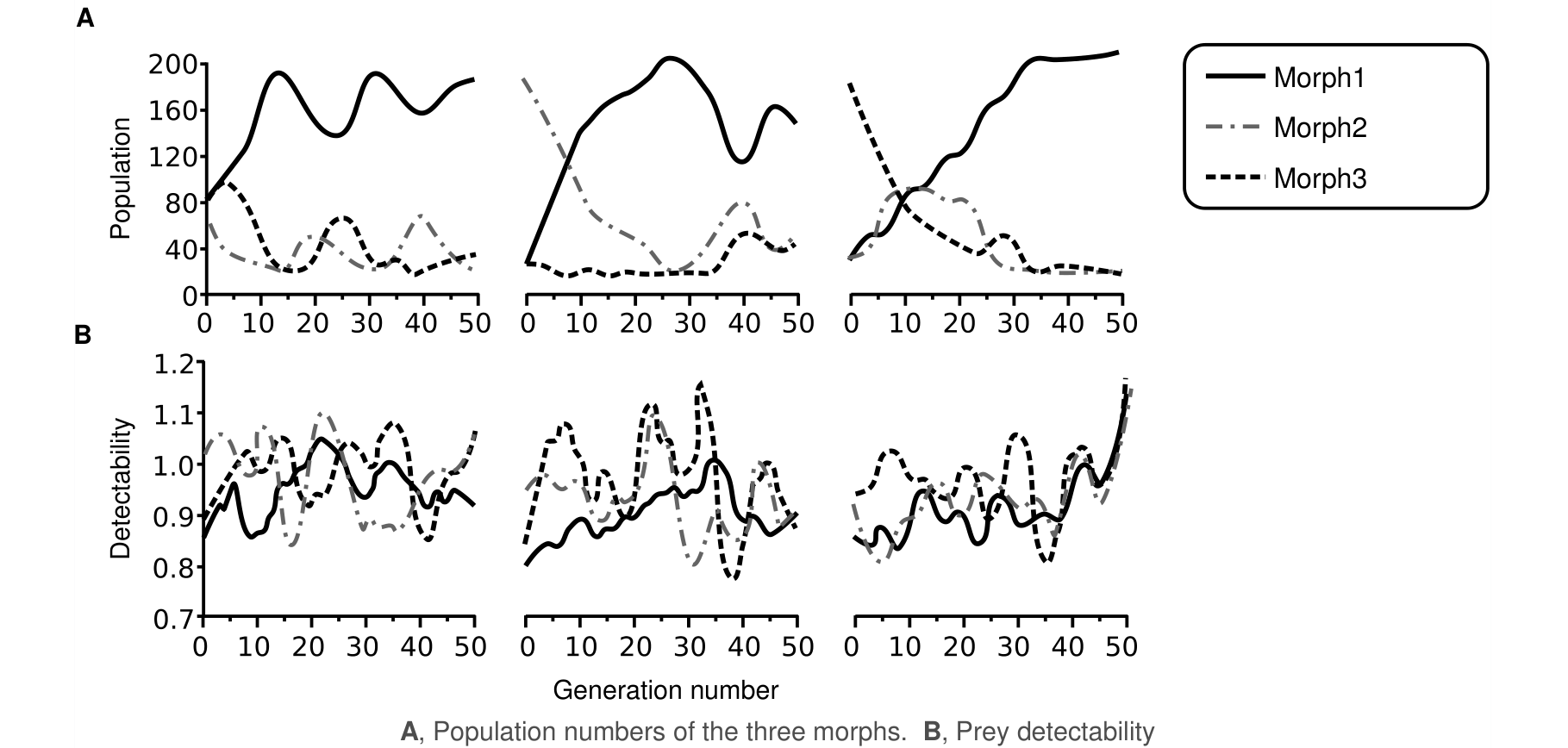 Figure 2.
Using the information and data, determine which of the statements are true or which are false.
Question reproduced from IBO 2016, Theoretical Paper B, licensed under CC BY-NC-SA 4.0 - attributed to the International Biology Olympiad. Open the full exam PDF · Community solutions (unofficial)