Q12 - G6PD Deficiency and the Pentose Phosphate Pathway
Pentose sugars and NADPH are synthetized through the pentose phosphate pathway. Reduced glutathione (GSH) acts to neutralize reactive oxygen species (ROSs) in the body. The reaction for GSH generation is shown below: Individuals with glucose-6-phospho dehydrogenase (G6PD) deficiency have decreased level of NADPH which can cause the favism disorder. Compared to other populations, frequency of G6PD deficiency is higher in Africans, and its prevalence in Africa positively correlates with the prevalence of malaria.
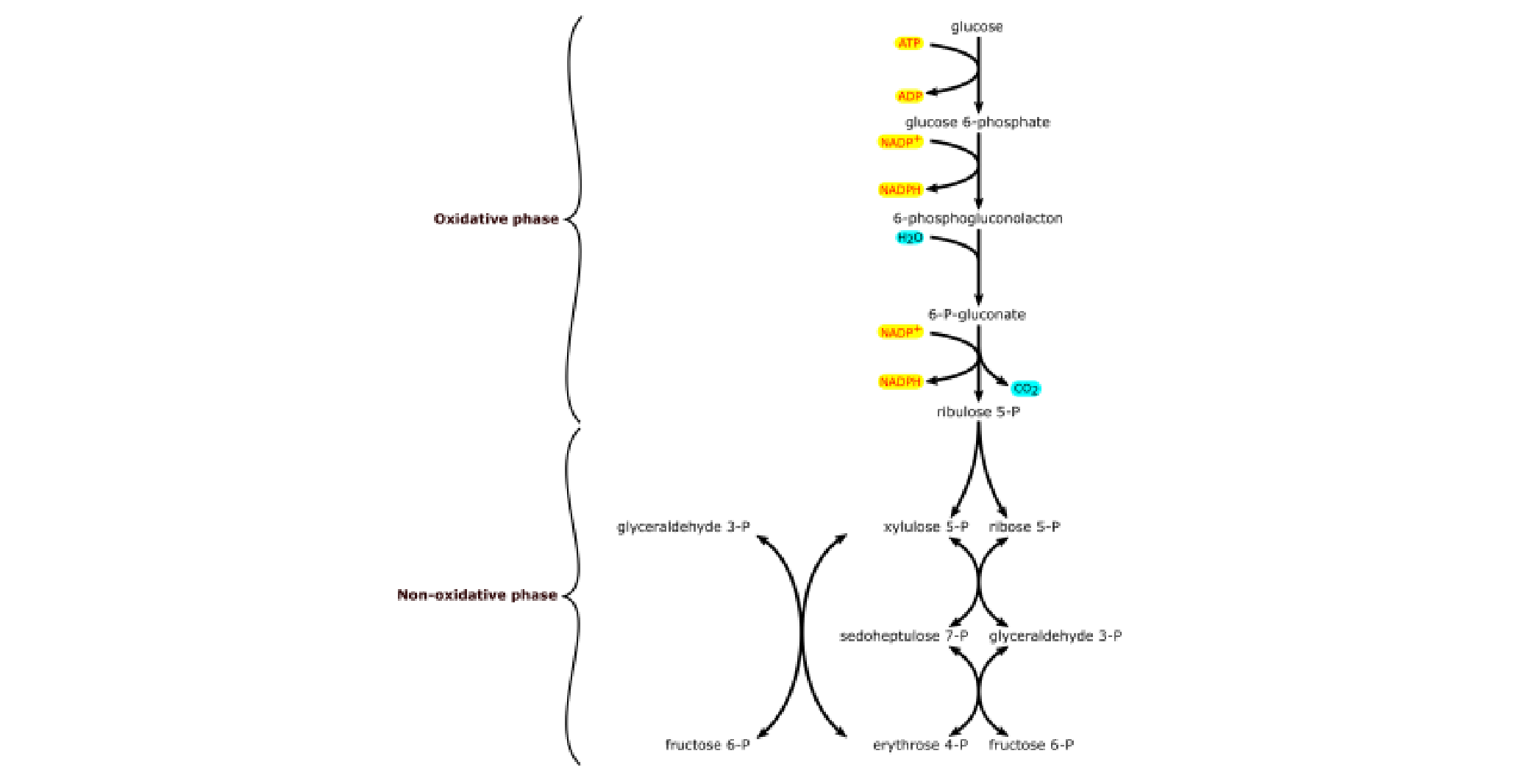 Figure 1.
 Figure 2.
Using the information and data, determine which of the statements are true or which are false.
Question reproduced from IBO 2018, Theoretical Paper 1, licensed under CC BY-NC-SA 4.0 - attributed to the International Biology Olympiad. Open the full exam PDF · Community solutions (unofficial)