Q51 - Cancer Cell Metabolism - Aerobic Glycolysis and the Warburg Effect
In quiescent normal cells, under normal physiological conditions, glucose is aerobically metabolized to pyruvate, most of which is transformed to acetyl-CoA by PDC (Pyruvate Dehydrogenase Complex) (Figure 1a). The resulting Acetyl-CoA enters the tricarboxylic acid cycle (TCA, also Krebs or citric acid cycle) in the mitochondria. In anaerobic microenvironment, pyruvate is almost completely converted to lactate in the cytoplasm and the production of Acetyl-CoA is inhibited. In rapidly growing cancer cells, increased expression of Pyruvate Dehydrogenase Kinases (PDKs) inactivates PDC, and inhibits the conversion of pyruvate to Acetyl-CoA (Figure 1b). Instead, the conversion of pyruvate to lactate is activated, and glycolysis takes place in the cell with high intensity.
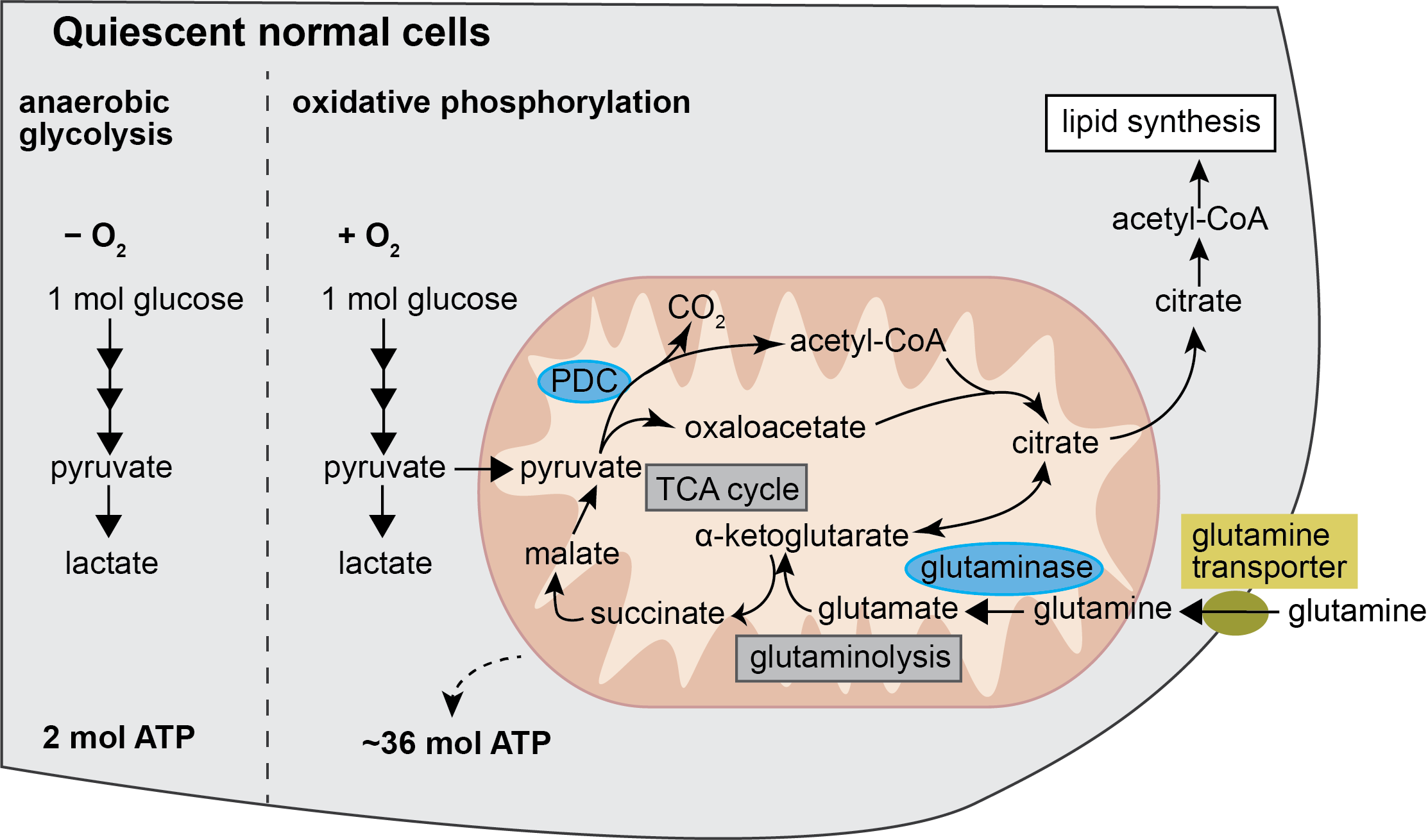 Figure 1a. Glucose metabolism in quiescent normal cells.
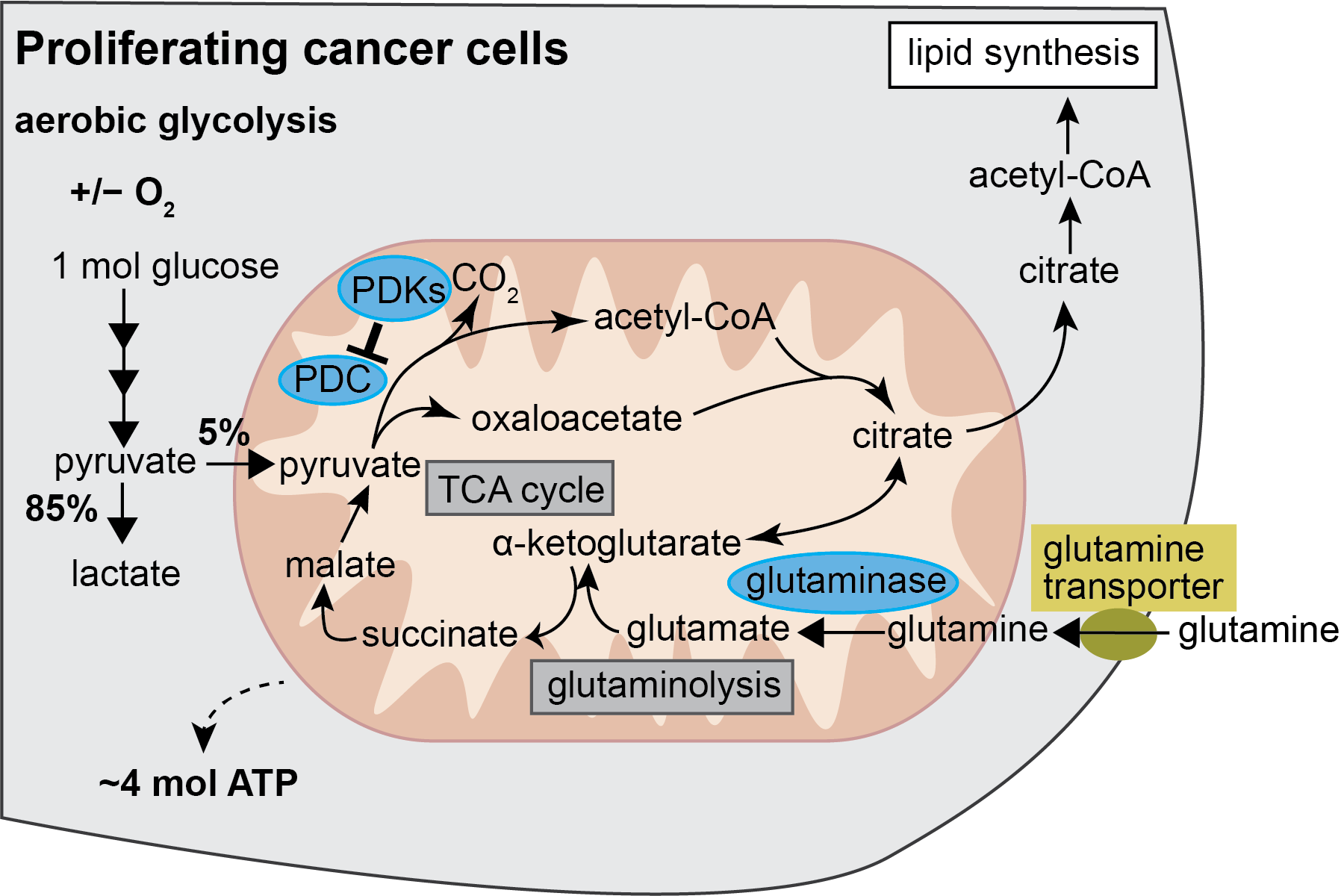 Figure 1b. Glucose metabolism in proliferating cancer cells.
Use the information and figures to determine whether the following statements are true or false.
Question reproduced from IBO 2022, Theoretical Paper 2, licensed under CC BY-NC-SA 4.0 - attributed to the International Biology Olympiad. Open the full exam PDF · Community solutions (unofficial)