Q33 - Symbiodinium Nutrient Limitation
Corals form mutualistic associations with a dinoflagellate, Symbiodinium of the family Symbiodiniaceae. Symbiodinium has two major life stages: a flagellated stage, called mastigote, and an aflagellated stage, called coccoid.
When Symbiodinium is grown in culture, each coccoid cell undergoes cell division to produce two mastigote cells. The mastigotes swim for a few days before they shed their flagella and metamorphose into the coccoid stage.
However, within the host coral cells, there is a dramatic change in Symbiodinium life history, with a marked reduction in cell proliferation and a severe reduction in the number of mastigotes. It is assumed that the coral host regulates the metamorphosis of Symbiodinium, and evidence suggests that certain nutrients may serve as limiting factors.
In an experiment, Symbiodinium microadriaticum cells were cultured outside their host cells, under nutrient-limited free-living conditions, to determine the importance of different nutrients for regulating cell proliferation and differentiation.
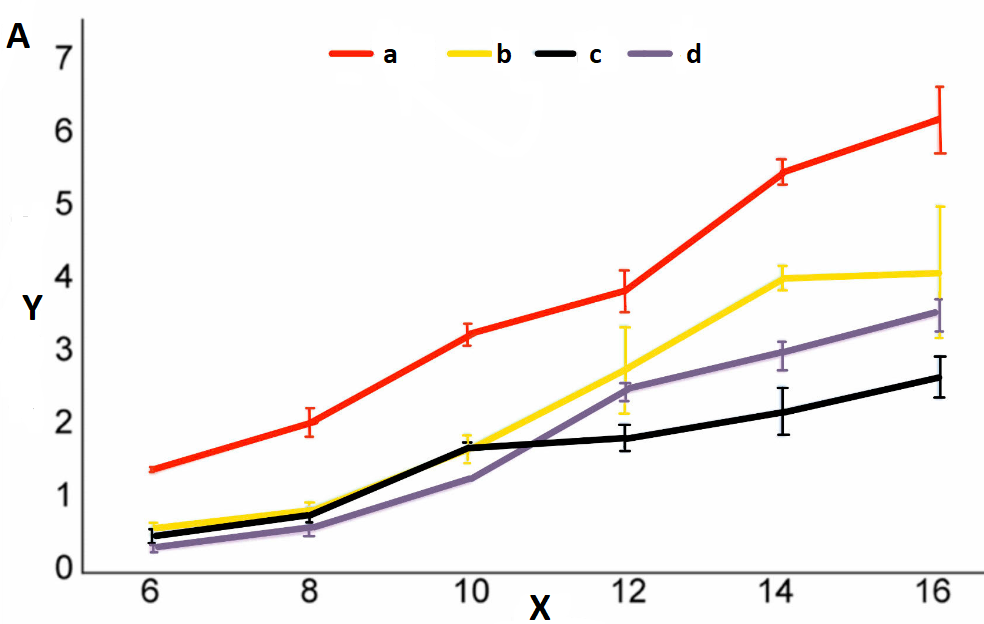
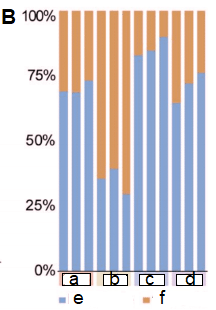
True or False?
Question reproduced from IBO 2023, Theoretical Paper 2, licensed under CC BY-NC-SA 4.0 - attributed to the International Biology Olympiad. Open the full exam PDF