Q25 - Do ABC Transporters Pump Floral Scent Out of Petal Cells?
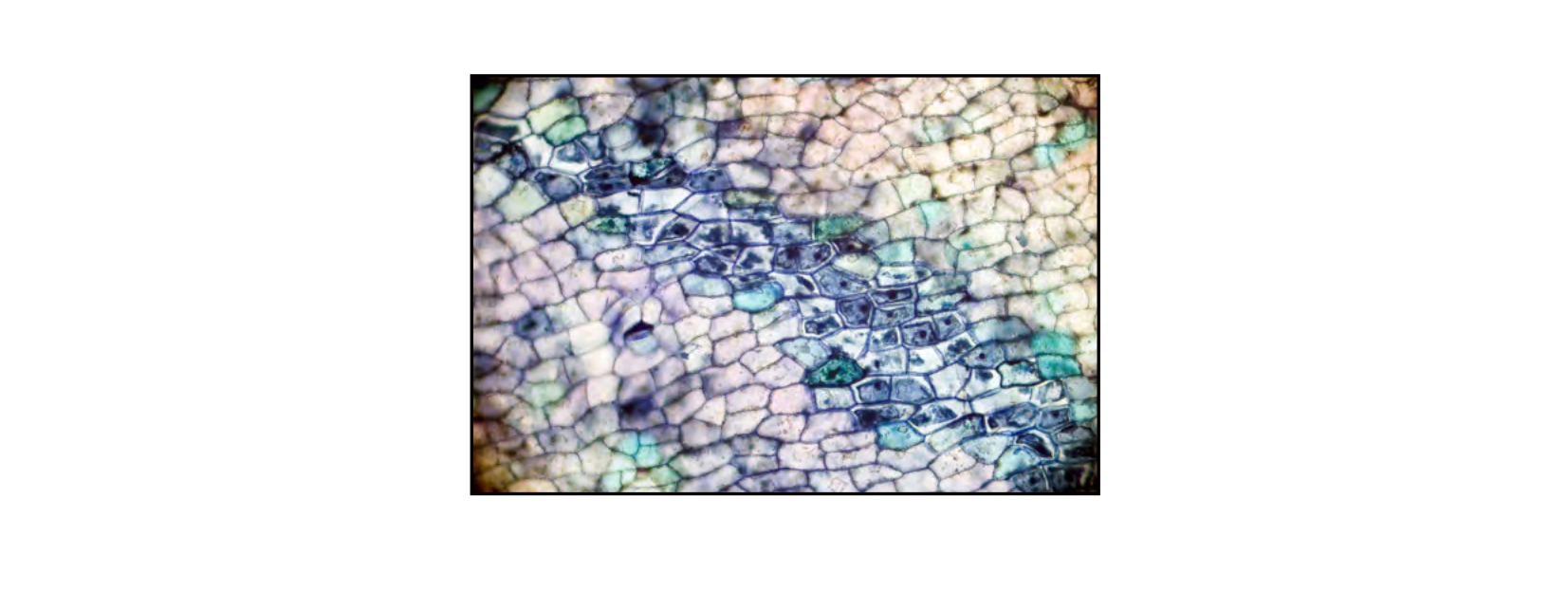
Flowers produce volatile fragrances from their petals to attract pollinators, but only once they have become fertile. Some volatile molecules diffuse through petal-cell (pictured) membranes into the air. The ABC superfamily of transmembrane transporters use ATP to pump substances out of cells. These include multi-drug resistance pumps that export many foreign chemicals from bacterial, plant and cancer cells. To investigate whether ABC transporters pump some volatile fragrances into the air, scientists generated several testable hypotheses.
Using the information and data, determine which of the statements are true or which are false.
Question reproduced from IBO 2017, Theoretical Exam B, licensed under CC BY-NC-SA 4.0 - attributed to the International Biology Olympiad. Open the full exam PDF · Official answer key & worked solutions