Q23 - Gut Microbiome - Bacterial Crossing of the Blood-Brain Barrier
The gut microbiome comprises a vast ecosystem of commensal bacteria, archaea, fungi, and viruses. The gut modulates CNS (central nervous system) functions via microbiota-derived metabolites, neuroactive substances, and gut hormones. Direct microbial invasion beyond the blood-brain barrier (BBB) is also possible: bacteria can traverse the endothelium via the transcellular pathway through brain endothelial cells, the paracellular pathway via disruption of intercellular junctions, or through infected phagocytes.
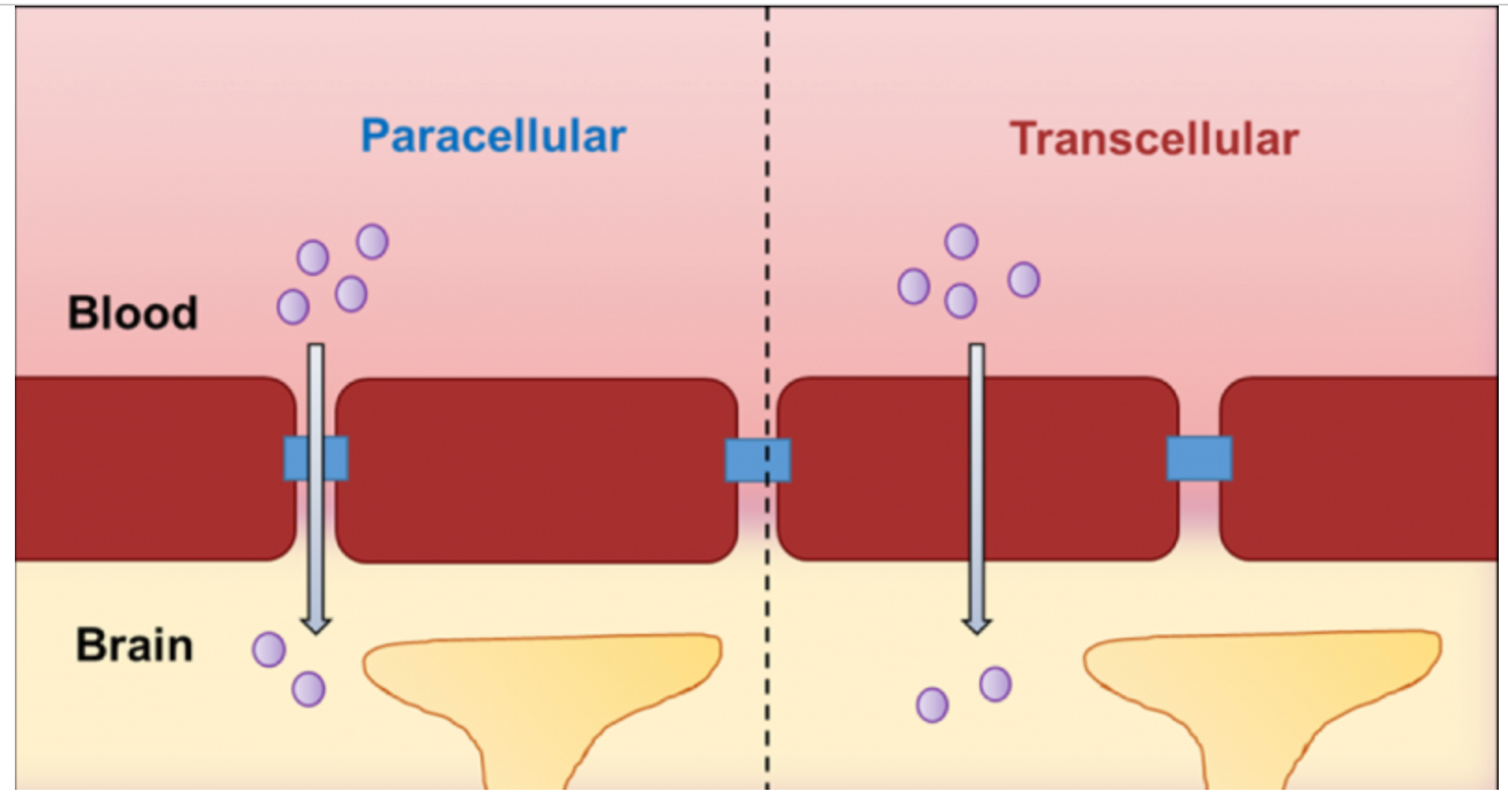 Figure 1. Paracellular and transcellular transport pathways across the blood-brain barrier.
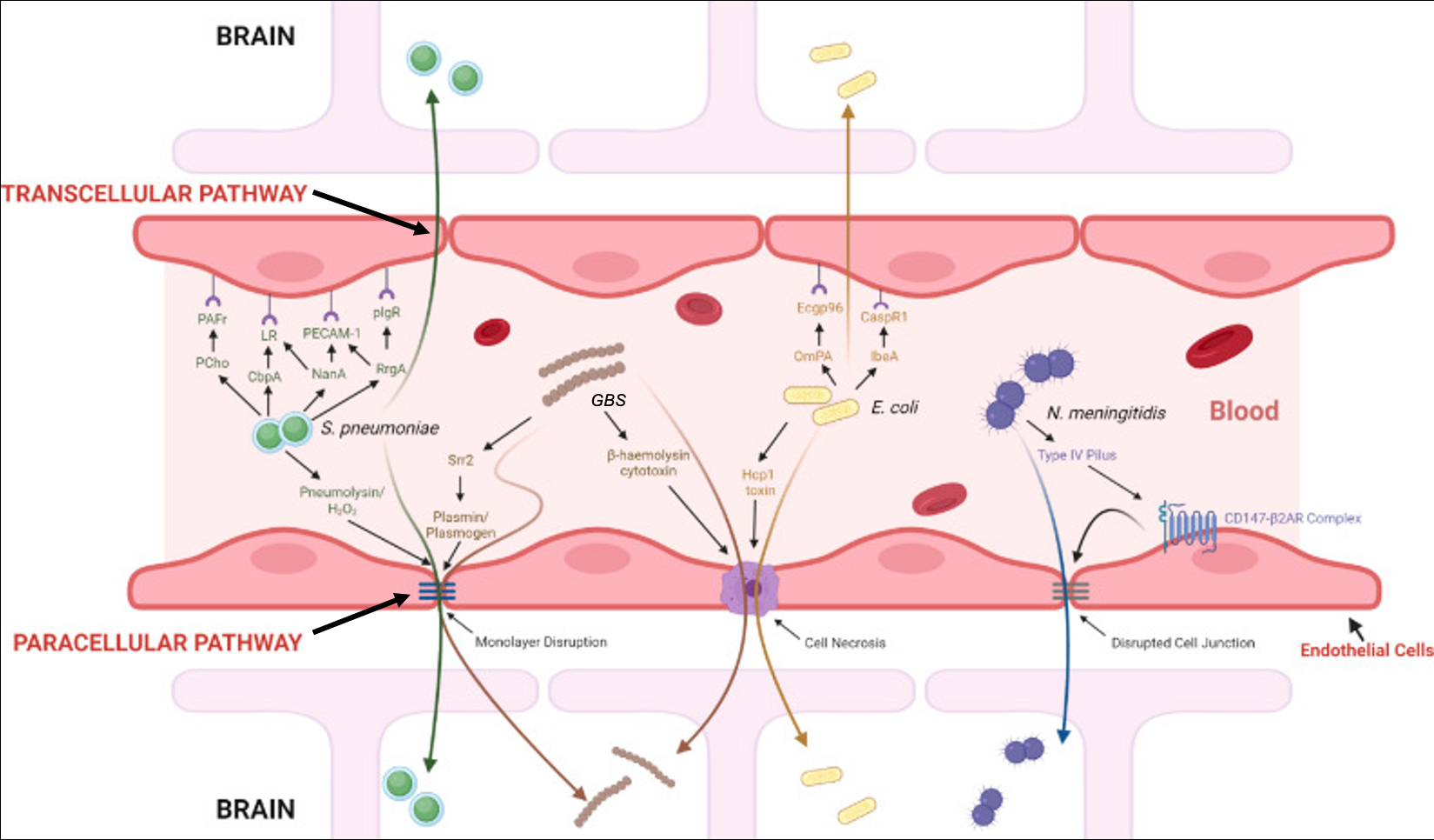 Figure 2. Mechanisms for four common meningitis-causing bacteria to cross the blood-brain barrier: N. meningitidis, E. coli, Group B Streptococcus (GBS), and S. pneumoniae.
Using the information and figure, determine whether the following statements are true or false:
Question reproduced from IBO 2022, Theoretical Paper 1, licensed under CC BY-NC-SA 4.0 - attributed to the International Biology Olympiad. Open the full exam PDF · Community solutions (unofficial)