Q86 - Giant Panda Fecal-Smearing Behavior and the TRPM8 Cold Receptor
In 2007, Chinese scientists encountered a giant panda Ailuropoda melanoleuca, covered with feces (photo). Scientists installed cameras in the habitat of the great pandas to study this strange case. Chemical analysis of fresh, up-to-5-days-old feces showed that it contained higher amounts of two volatile compounds, beta-caryophyllene (BCP) and beta-caryophyllene oxide (BCPO), compared to feces older than 5 days. Recently, a “cold receptor” TRPM8 has been found in mammalian skin. Experiments on white mice have shown that BCP/BCPOs inhibit the activity of this receptor.
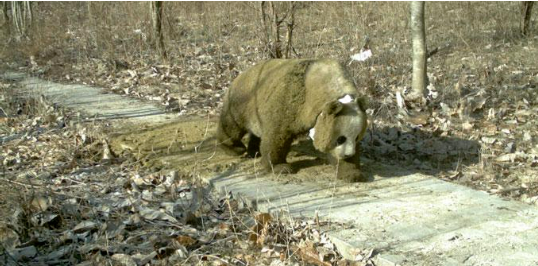 Figure 1. A giant panda covered with feces.
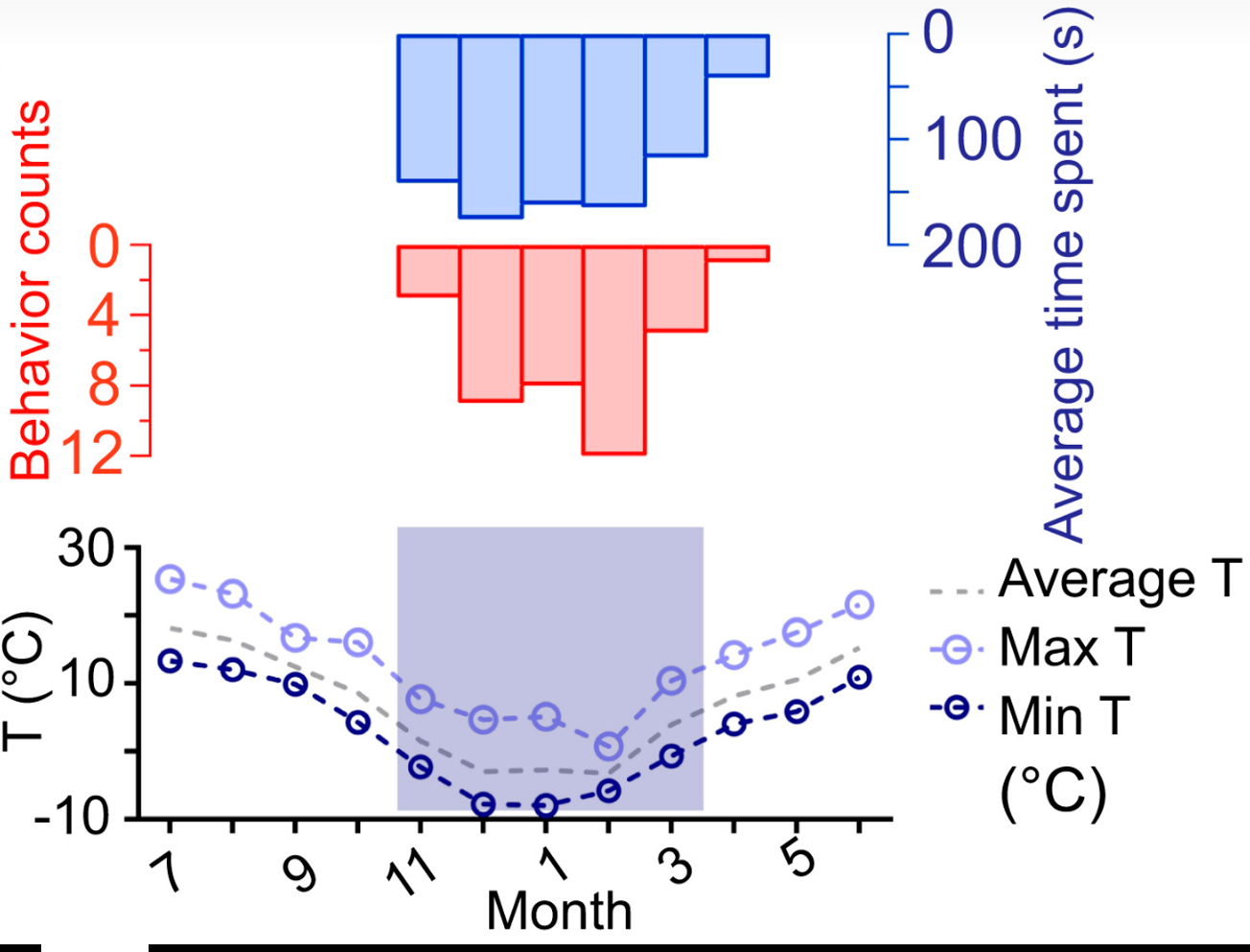 Figure 2. The relationship between behavior (indicated by behavior number and average time spent) and local climate data.
Using the information above, determine which of the statements are true or which are false.
Question reproduced from IBO 2022, Theoretical Paper 2, licensed under CC BY-NC-SA 4.0 - attributed to the International Biology Olympiad. Open the full exam PDF · Community solutions (unofficial)