Q4 - Whitefly Horizontal Gene Transfer
The majority of plants serve as food for insects, despite their toxic secondary metabolites. Several plant pathogenic viruses are spread by whitefly (Bemisia tabaci), an agricultural pest with a worldwide distribution.
Whiteflies have acquired the gene BtPMaT1, which encodes a phenolic glucoside malonyl transferase, which may help them neutralize phenolic glucosides. According to bioinformatics studies, BtPMaT1 has closest homologs in plants, but no homologs in other arthropods.
To test whether the BtPMaT1 gene is involved in the metabolism of phenolic glycoside in host plants, the effect of several phenolic glycosides on adult whitefly mortality was tested. Many invertebrates can uptake long double stranded RNA (dsRNA) and process them into small interfering RNAs (siRNAs). Dietary RNA interference (RNAi) was performed by feeding whiteflies a diet containing dsRNA. This was followed by feeding of solutions containing five different phenolic glycosides.
In RNAi-fed B. tabaci, BtPMaT1 expression was reduced by almost 50% at 48 h post-RNAi compared with the control. Furthermore, the whiteflies showed very high mortality rate when they were fed transgenic tomato plants expressing the dsRNA against the BtPMaT1 gene.
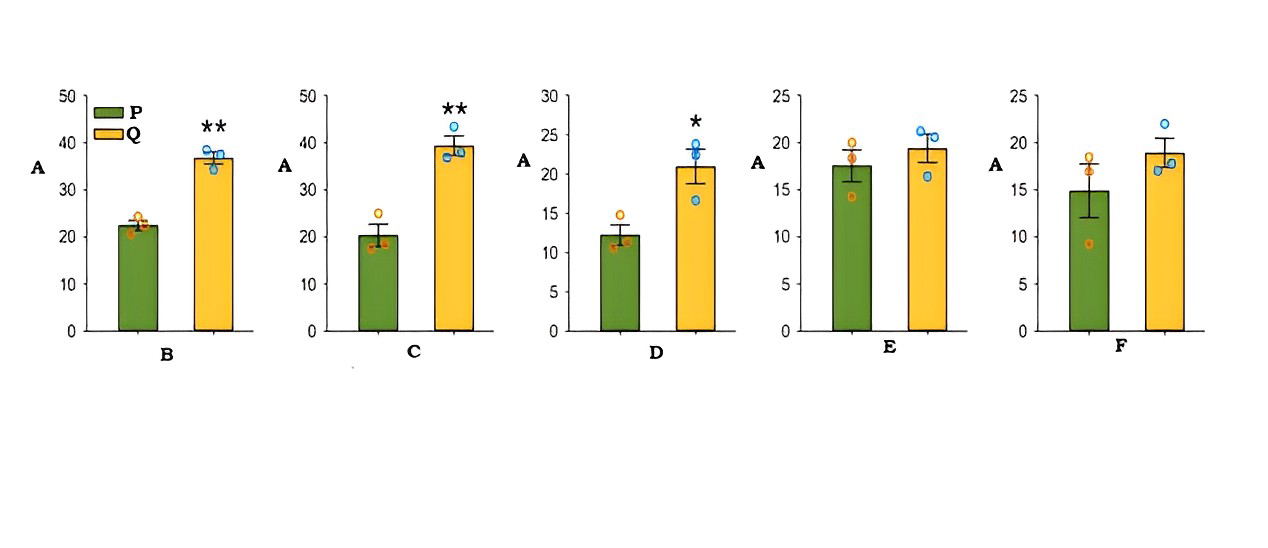
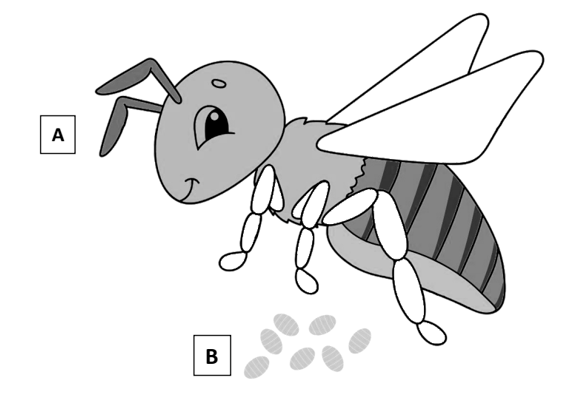
Additionally, gene expression analyses revealed that BtPMaT1 was expressed in five developmental stages, and various organs of the adult B. tabaci.
True or false?
Question reproduced from IBO 2023, Theoretical Paper 2, licensed under CC BY-NC-SA 4.0 - attributed to the International Biology Olympiad. Open the full exam PDF