Q6 - ProQC - Synthetic Toehold-Switch Quality Control of Translation
ProQC is a synthetic biology tool used for the quality control of protein expression. ProQC consists of a synthetic gene-expression complex that only allows the expression of gene of interest (GOI)-encoded protein only from the full-length mRNAs. It is composed of two parts: a toehold switch containing a ribosome binding site (RBS) at the 5’ end of the GOI, and a cis-trigger at the 3’ end of the GOI, both under the same promoter. The sequence of the cis-trigger is reverse complementary to the toehold switch. When the toehold switch portion of the synthetic cassette is free, it forms a hairpin-like structure that blocks the RBS sequence.
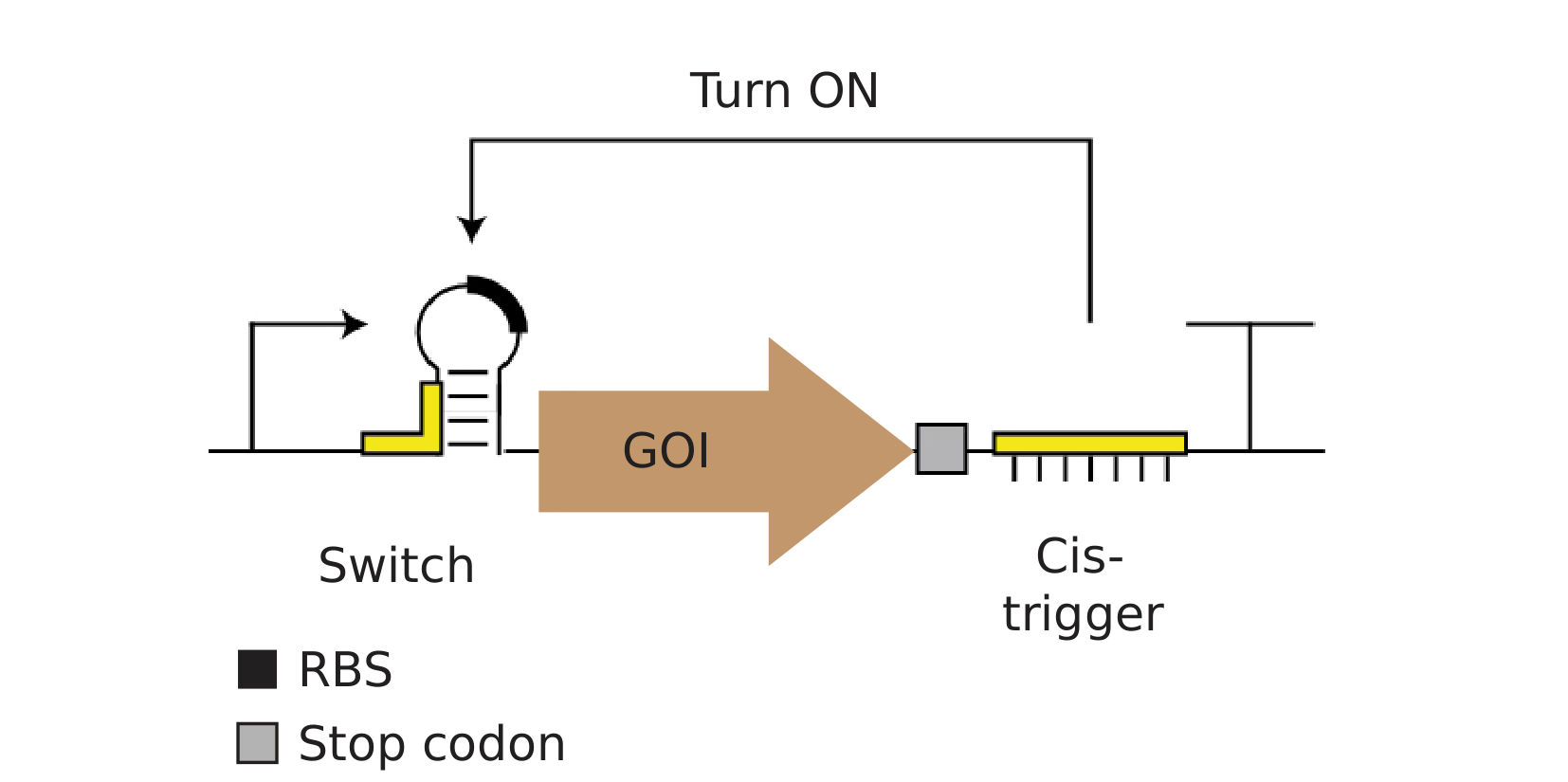 Figure 1. Schematic diagram of one of the possible conformations of the ProQC system.
On your answer sheet, indicate “T” for true statements and “F” for false ones.
Question reproduced from IBO 2024, Theoretical Exam Part B, licensed under CC BY-NC-SA 4.0 - attributed to the International Biology Olympiad. Open the full exam PDF